
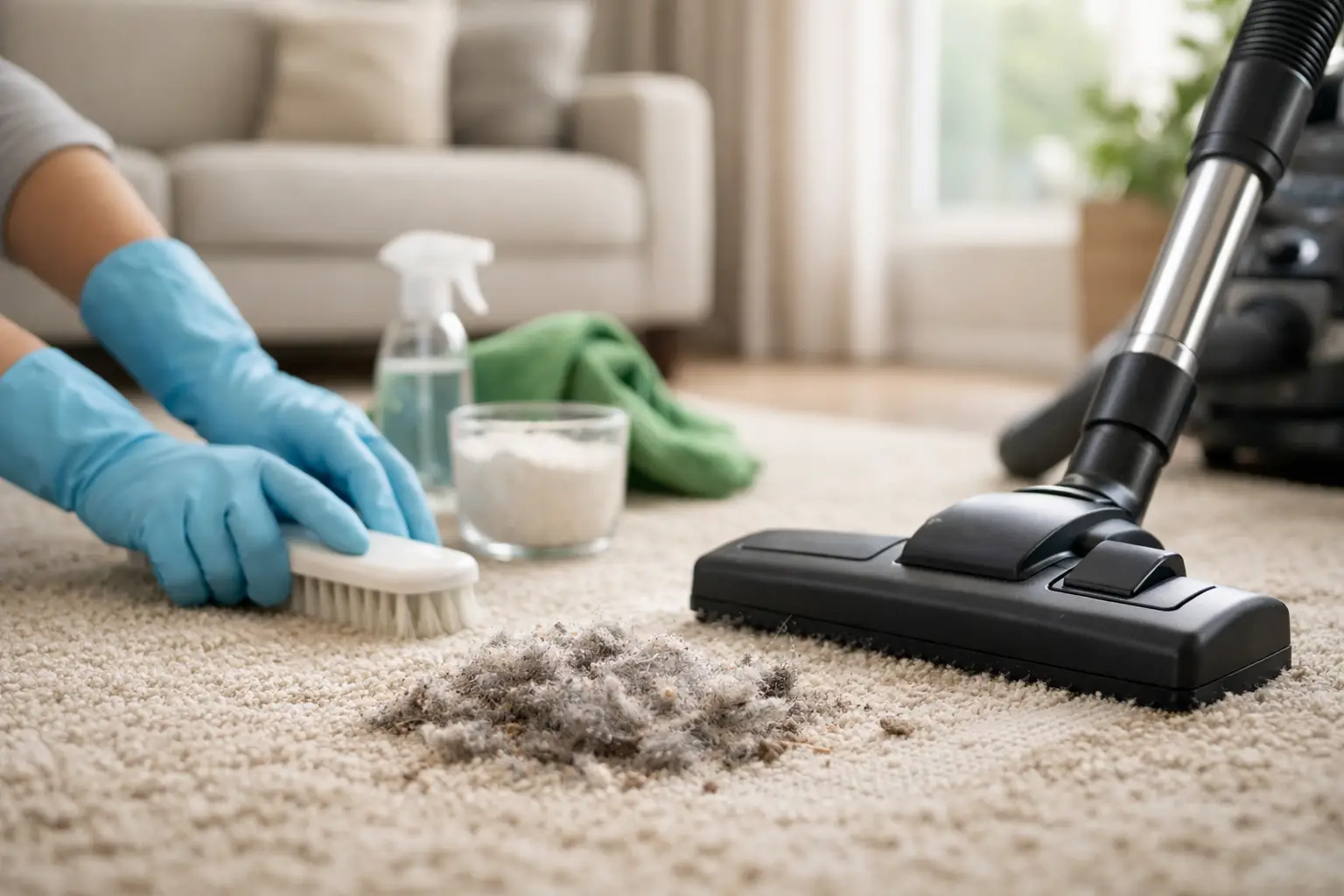
A carpet can look clean and still hold the things that make a room feel less comfortable. Dust mites, pet dander, pollen, tracked-in debris, and mold spores settle deep between carpet fibers, especially in busy homes with children, pets, or open windows. Knowing how to remove carpet allergens means cleaning beyond the surface so your home feels fresher, smells better, and is easier to enjoy.
For many Long Beach and LA County households, the biggest difference comes from combining consistent at-home care with periodic professional deep cleaning. Vacuuming handles what is near the surface. Deep extraction removes the buildup that ordinary cleaning often leaves behind.
How to Remove Carpet Allergens Without Damaging Carpet
Carpet allergens are not all the same, and neither is every carpet. Wool, delicate area rugs, older carpet, and heavily soiled synthetic fibers can respond differently to moisture and cleaning solutions. The goal is to remove particles safely, not soak the carpet or leave behind residue that attracts more dirt.
Start by reducing the allergen sources entering the room. Pollen can come in through doors, windows, shoes, and pet fur. Dust settles every day on shelves, blinds, ceiling fans, and upholstered furniture before finding its way into the carpet. If those nearby surfaces are ignored, a freshly cleaned carpet can collect allergens again quickly.
A practical routine includes vacuuming carefully, managing humidity, treating spills promptly, and scheduling deeper cleaning when the carpet begins to hold odors, look dull, or trigger more sneezing and congestion indoors.
Vacuum slowly and use the right filter
Fast vacuuming picks up crumbs and visible debris, but it often misses fine dust embedded at the base of the carpet pile. Move slowly and make several passes over high-traffic areas such as entryways, hallways, living rooms, bedrooms, and around pet beds. Vacuum in more than one direction to lift particles trapped between fibers.
A vacuum with a sealed system and HEPA filter is a strong choice for homes dealing with allergies. It is designed to capture very small particles rather than blow them back into the room through the exhaust. Empty the canister or replace the bag outside when possible, then clean the filter according to the manufacturer’s instructions.
Most homes benefit from vacuuming at least once or twice a week. Families with shedding pets, active children, or seasonal allergies may need to vacuum high-use areas every other day. Frequency matters, but technique matters just as much.
Clean surrounding surfaces before the floor
It can feel natural to vacuum first, but dusting after vacuuming sends particles back down onto the carpet. Begin with higher surfaces: ceiling fan blades, vents, shelves, window sills, blinds, and furniture. Use a damp microfiber cloth rather than a dry duster that can scatter dust into the air.
Then vacuum upholstery, including the sides and under the cushions. Couches and chairs collect pet hair, skin flakes, and dust that transfer to the carpet whenever someone sits down or moves around the room. Cleaning these soft surfaces together helps the entire space stay fresher longer.
Deep Cleaning Removes What Vacuuming Leaves Behind
Even a good vacuum cannot remove everything lodged deep in carpet backing and dense fibers. Over time, oily soil, fine dust, pet dander, and old spills create a sticky layer that holds onto allergens. This is why carpets may still smell stale or feel dusty even when they are vacuumed regularly.
Professional hot water extraction, often called steam cleaning, reaches below the carpet surface with controlled heat, cleaning solution, and powerful extraction. The process loosens embedded soil and removes it rather than simply moving it around. When performed correctly, it also uses the right amount of moisture for the carpet type and leaves the carpet on a fast-drying path.
For a typical home, professional carpet cleaning every six to twelve months is a sensible baseline. A home with multiple pets, heavy foot traffic, young children, or allergy-sensitive family members may benefit from more frequent service. It depends on how the carpet is used and how quickly odors, staining, or dust buildup return.
Avoid relying on heavily fragranced carpet powders as an allergen solution. They may temporarily cover odors, but they can leave residue in the fibers and may irritate people who are sensitive to fragrance. The same goes for overusing soap-based rental machines. Too much solution or incomplete extraction can leave the carpet feeling stiff, attract dirt, and create excess moisture.
Act quickly on spills and pet accidents
Spills do not always cause allergies, but they can create conditions that make a carpet less healthy. Damp areas can trap dirt, encourage odors, and in some cases support mold growth if they are not dried thoroughly. Pet accidents also leave behind organic material that needs more than a quick surface wipe.
Blot fresh spills with a clean white towel instead of rubbing them. Rubbing pushes the spill deeper and can damage carpet fibers. Use a small amount of a carpet-safe cleaner, test it in an inconspicuous area first, and blot again with clean water if the product instructions call for rinsing.
If a spill has soaked through to the padding, keeps returning after cleaning, or leaves a persistent odor, professional treatment is usually the better option. The visible spot may be small while the affected area underneath is much larger.
Control Humidity and Improve Airflow
Allergen control is not only about the carpet itself. Indoor humidity can affect how a room feels and how quickly carpet dries after cleaning. In coastal communities, damp air can linger, particularly in shaded rooms, ground-floor apartments, and homes with limited ventilation.
Aim to keep indoor humidity at a moderate level. Use bathroom and kitchen exhaust fans, repair leaks promptly, and run air conditioning or a dehumidifier when rooms feel persistently damp. After carpet cleaning, increase airflow with fans and open windows when outdoor conditions allow. A carpet that dries quickly is less likely to develop musty odors.
Replace HVAC filters on schedule and consider a higher-quality filter if your system supports it. Clean return vents and avoid blocking them with furniture. Better air circulation helps reduce the amount of airborne dust that eventually settles into your carpet.
Make Entryways Work Harder
A large share of carpet soil enters from outside. Shoes carry in pollen, road dust, grass, and other particles that become ground into the carpet near doors and hallways. A few simple habits can reduce that load before it reaches your living room.
Use durable mats outside and inside entry doors, and clean them regularly. Ask family members and guests to remove shoes indoors, especially during high-pollen periods or after visiting parks and beaches. Wipe pets’ paws after walks, and wash pet bedding often so dander is not constantly transferred to floors and furniture.
If you have area rugs over wall-to-wall carpet, do not forget to clean underneath them. Dust can settle in the hidden space, and moisture trapped under a rug can create odors. Rotate rugs occasionally and make sure the carpet below is fully dry after any cleaning.
When It Is Time to Call a Carpet Cleaning Professional
At-home maintenance is valuable, but there are signs that your carpet needs a deeper reset. Persistent pet odor, visible traffic lanes, recurring stains, a musty smell, allergy flare-ups indoors, or carpet that still feels gritty after vacuuming are all reasons to schedule professional service.
A trained cleaner can assess the fiber type, soil level, stains, and condition of the carpet before choosing a cleaning method. That matters because aggressive scrubbing or the wrong chemical can discolor fibers, leave residue, or shorten the life of the carpet. Professional extraction is especially helpful for rental move-outs, homes preparing for guests, offices with daily foot traffic, and households with pets.
Upholstery Steam Long Beach provides fabric-safe carpet cleaning designed to remove embedded dirt, odors, and allergens while helping carpets dry quickly. Clear communication about the condition of your carpet and any allergy concerns helps ensure the cleaning approach fits your home.
A cleaner carpet will not eliminate every allergen in your home, but it can reduce one of the largest places where dust and dander collect. Keep up with the small habits between deep cleanings, and your floors can support a more comfortable home instead of quietly working against it.